What is Search Engine Optimization (SEO) & Why It’s Crucial
In today’s digital world, simply having a website isn’t enough. With millions of web pages competing for attention, how do you make sure your site gets found? That’s where SEO (Search Engine Optimization) comes into play. SEO is the process of improving your website’s visibility in search engines like Google, ultimately driving more organic (non-paid) traffic to your site.
Let’s dive deeper into what SEO is and why SEO services in Delhi critical for online success.
Organic Search vs. Paid Search
Before we get into the most important aspect of SEO, it’s important to understand the difference between organic search and paid search.
- Organic Search refers to unpaid listings on a search engine results page (SERP). These results are ranked by relevance and quality according to complex algorithms.
- Paid Search involves advertisers bidding on keywords and paying for their website to appear in the sponsored section of the SERP. This is often referred to as PPC (Pay-Per-Click)
While both approaches are valid digital marketing strategies, SEO focuses on the long-term and sustainable growth that comes from improving organic rankings.
Why SEO is Important for Business Owners
- Increased Visibility: The majority of online experiences begin with a search engine. Higher rankings mean more exposure.
- Cost-Effective: Unlike paid ads, organic traffic is free, making SEO a cost-effective marketing channel.
- Trust & Credibility: Users trust search engines, and a top position signals credibility and authority.
- Better User Experience: SEO isn’t just about search engines—it’s about improving the overall experience for visitors.
- Competitive Advantage: If you’re not optimizing your site, you can be sure your competitors are.
Types of SEO
There are several categories of SEO, each targeting a different aspect of your site’s performance and visibility.
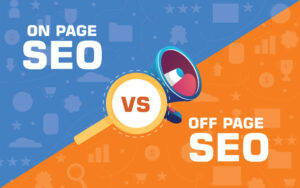
- On-Page SEO: Optimizing individual pages on your website (e.g., keywords, meta tags, content quality, internal links).
- Off-Page SEO: Activities outside your website that impact your rankings (e.g., backlinks, social signals, brand mentions).
- Technical SEO: Optimizing backend elements like site speed, mobile-friendliness, crawlability, and structured data.
- Local SEO: Focusing on improving visibility for location-based searches, crucial for local businesses.
- E-commerce SEO: Specialized SEO focused on product pages, category optimization, and online store architecture.
The 3 Pillars of SEO
To succeed in SEO, you need to build on these three foundational pillars:
1. Content
Content is king. High-quality, relevant content answers users’ questions and keeps them engaged. Effective SEO content should:
- Target the right keywords
- Be original and informative
- Address user intent
2. Technical SEO
A site must be technically sound for search engines to access and index it properly. This includes:
- Fast page load times
- Mobile optimization
- Secure HTTPS protocols
- Clean URL structures
3. Backlinks (Authority)
Search engines view backlinks from reputable websites as votes of confidence. The more high-quality backlinks you earn, the more credible your site appears.
SEO Ranking Factors
Search engines use hundreds of factors to rank pages. Some of the most important include:
- Keyword relevance
- Content quality and depth
- Page loading speed
- Mobile usability
- Backlink profile
- User engagement (bounce rate, time on page)
- Domain authority
- Technical health of the site (broken links, crawl errors)
- Structured data/schema markup
Staying updated with algorithm changes and adjusting your SEO strategy accordingly is vital to maintain and improve rankings.
SEO Now vs. the Early Days: A Brief History
In the early days of the internet, SEO was much simpler—and spammier. Site owners could stuff keywords, hide text, or buy thousands of backlinks to game the system. Search engines like Google responded with smarter algorithms (like Panda, Penguin, and Hummingbird) to reward genuine quality.
Then:
- Keyword stuffing worked
- Thin content could rank
- Backlink quantity > quality
Now:
- Content relevance and value are key
- User experience and intent matter more
- AI and machine learning help interpret content
- Spammy tactics are penalized, not rewarded
Modern SEO is about earning visibility, not manipulating the system. It requires a holistic, ethical, and user-focused approach.
Final Thoughts
SEO is no longer optional—it’s essential. Whether you’re a small business owner, a blogger, or an e-commerce brand, investing in SEO helps ensure your audience finds you when it matters most.
Think of SEO not as a one-time task, but as an ongoing process of making your website the best it can be—for both users and search engines.
Need help with SEO?
Whether you’re just starting out or looking to improve your rankings, consulting an SEO expert can give you the edge in this competitive digital landscape.